Six months of making Android games: 17 games, the real numbers, and what's next
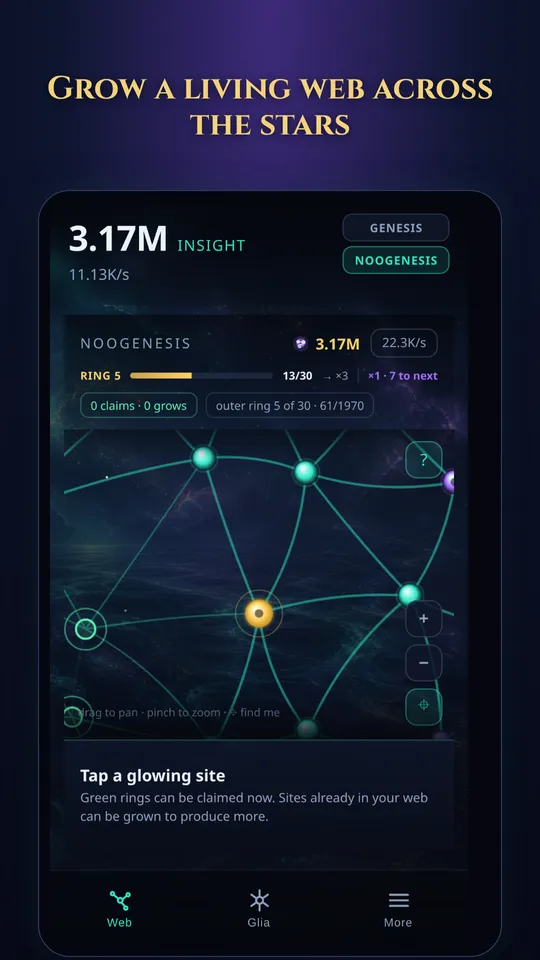
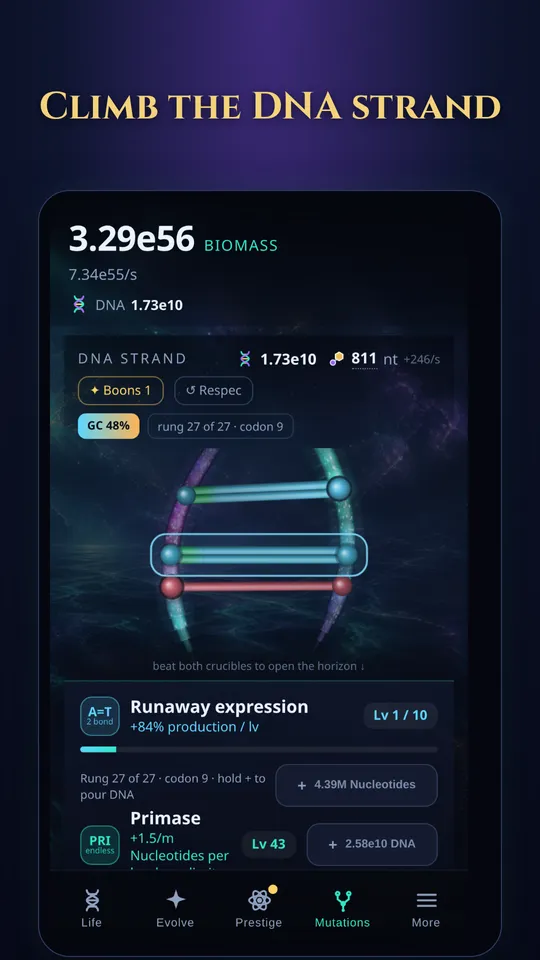
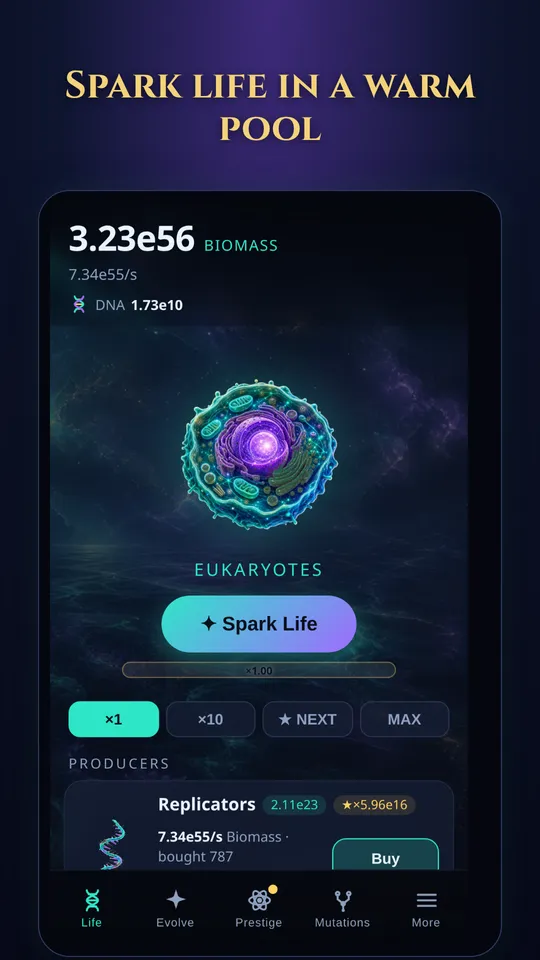
Six months ago I started learning to make games with the easy ones: word search, solitaire and minesweeper, where the rules were already solved, so I could learn everything else. Then I started an idle game, Genesis, and the maths of idle growth beat me, so I parked it. I built one polished game, Sovereign, and tested paid ads on it. It earned 44 cents. So I went back to basics with one change: make games I'd want to play, in genres that might grow without advertising. And finally I went back to Genesis and shipped it.
Six months on, here's where that stands. The numbers are small, and I'm sharing them anyway.
What exists
Seventeen games, most of them live on Google Play:
- Word, card and puzzle: Word Search, Bible Word Search, Word Slide, Word Push, Wordhoard, Spider Solitaire, FreeCell, Minesweeper, Minesweeper Rogue, Moonlit Garden and Sovereign.
- Idle and RPG: Genesis, Tavern Heroes, Emberfall, Idle Fishing Empire and Backpack Battle.
- Other: Rogue Video Poker. Eldritch Survivors, shelved. And a brick breaker in progress.
Every live game is in twelve languages, with translated store art, and goes through the same automated launch pipeline.
The numbers
- Daily players across all games (excluding Sovereign) have ranged from about 50 to 70 recently, with a peak of 70.
- Revenue: the whole portfolio has earned about A$22. Roughly half is ads and half is two Remove Ads purchases.
- Genesis earns more than everything else combined, about 58% of it. The idle game is the earner; the word games are steady trickles.
- Written reviews: zero, on any game.
- Installs: in a recent two-week window, 266 real installs, compared with 392 from Google's test devices.
A typical day is a dollar or two of ad revenue. The daily forecast I run says that with no growth at all, the portfolio would be earning a little under A$100 a month by December, and just 1% growth a week would take it past that. That's a forecast, not a promise.
Lessons I'd tell myself six months ago
1. A new app can't rank for head terms. I measured it properly: 17 games against their main keywords on Google Play in the US, UK and Australia. None of them is in the top 30 for its head term, whether "word search", "spider solitaire", "idle game" or "minesweeper". They rank only for long-tail phrases and their own names: #1 for "rogue video poker" and "word push", #3 for "minesweeper roguelike". Two games don't even appear for their own exact titles, and I can't explain why. So the players I do have mostly come from Play's browse and recommendations, not from search. Installs, ratings and reviews have to come first, and the head terms (maybe) follow.
2. Idle games find players on their own. Genesis, the game I'd parked, reached real players within a week of release with zero promotion. The word games, aimed at bigger keywords, took longer. A less contested genre beat a bigger keyword, and the game I nearly gave up on became the earner.
3. Paid installs don't pay at this scale. A$200 of ads on Sovereign returned A$0.42. Not until a player is worth more than an install costs, and mine are nowhere near.
4. Measure what happens on a phone. The biggest bugs of the year were all invisible on a desktop: ads that never loaded, a sign-in popup at launch, closing an ad tapping the game, a puzzle that drained more battery than YouTube, and a 3D game that crashed older phones.
5. Simulators are only as honest as their players. Every game with a balance sim had a moment where the sim was confidently wrong: a bot that bought from an invisible tab, a bot that never slept, a random buyer that never built the broken combo. Simulate humans, then play it yourself.
6. Write every failure down with the check that prevents it. The ledger is the most valuable thing I've built. A failure written down once becomes a check forever, and most of these posts are just that ledger with the swearing taken out.
What's next
- A brick breaker roguelite. You fire volleys of balls at boards made of pixel-art pictures, choosing ball skills as you go, with a stone workshop for upgrades between runs. It's been through three designs already. I'll write it up when it's ready.
- Measuring the newer experiments: Genesis's first trailer and a promotional event on Google Play, whether the More games sheet sends anyone anywhere, and whether the newer games find search traffic at all.
- Ad mediation, once ad revenue passes A$100 a month and adding more ad networks becomes worth the paperwork.
Thanks for reading. If you've played any of these games, I'd love to hear what you think. A review on Google Play would be the first one, and it would genuinely help.