Learning to make Android games by starting with the easy ones
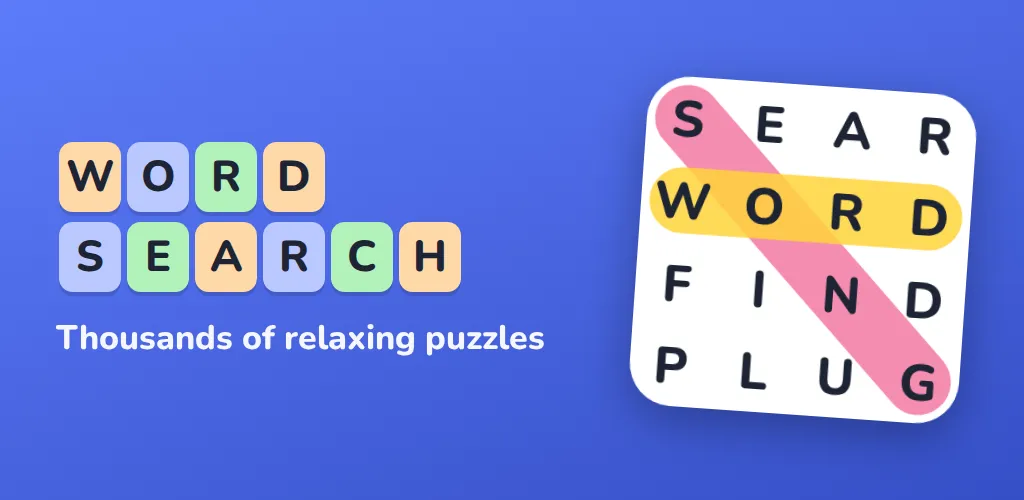
I want to learn to make games, properly: not just the code, but everything around it. Publishing on Google Play, ads, purchases, privacy forms, translations, store listings, and finding out whether anyone actually plays the thing. And ideally, I want it to make some real money along the way.
This blog is the record of that: what I build, what I publish, the numbers, and above all the mistakes.
Start with games whose rules you don't have to invent
The fastest way to learn the parts of game development nobody writes tutorials about is to remove the hardest part: game design. So my first games are ones where the design is already solved:
- Word Search: everybody knows how it works.
- Spider Solitaire and FreeCell: rules that are decades old.
- Minesweeper: same.
With the rules settled, every problem I hit is one of the others: how to generate a fair puzzle, how to get a build through Google's review, why an ad doesn't show, how to translate a store listing into Polish. Those are the problems I want to learn.
They're also good games to publish. They're among the biggest evergreen searches on Google Play, and their players are older, mostly Western, play daily and tolerate ads. If anything I make is going to find players without an advertising budget, it's something people already search for.
One engine, many games
I'm building the first game, Word Search, as an engine: ads, purchases, consent, analytics, daily puzzles, streaks, remote config and build scripts, all done once. Each later game starts as a copy with new rules, content and art. If the engine is good, every new game is cheaper than the last, and every lesson lands in all of them.
The rules I'm starting with
- Distribution before polish. Make things people already search for, and name them with the words they type.
- Ads must actually show. Measure how often an ad appears at a natural break, not just whether one loaded.
- Translate everything. Every language is its own search market.
- Automate anything done twice. My time is the scarcest input.
- Write everything down. Every win and every failure goes in a ledger, and a failure isn't closed until it names the check that stops it happening again.
Some of these will turn out to be wrong, and some I'll break and regret. That's what the blog is for.
After the easy ones
Once the pipeline works, the plan is to move on to harder games: an idle game, something polished, and eventually the kinds of games I'd want to play myself. Those posts come later. First: a word search.